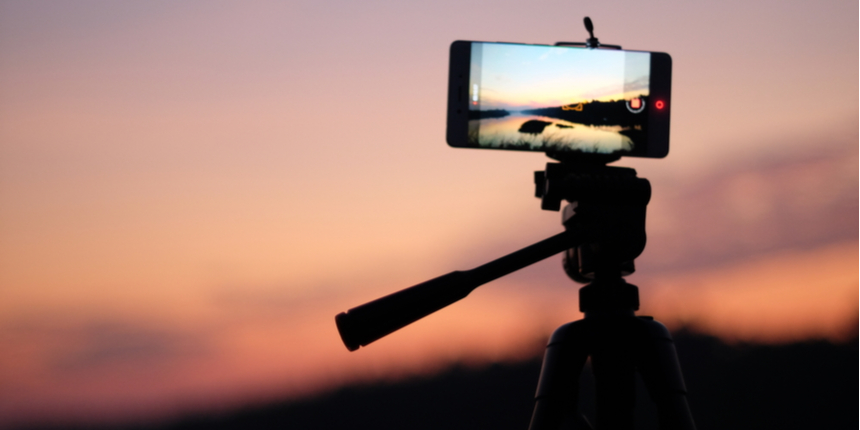
In a world where nearly everyone carries a smartphone, the ability to create meaningful, evocative photographs has become more accessible than ever. Yet owning a powerful device does not automatically translate into producing compelling visual stories. This is where a dedicated Cell phone Photography Course becomes invaluable. It bridges the gap between simply tapping a shutter button and understanding the artistic and technical decisions that elevate everyday snapshots into captivating images. Such a course empowers learners to unlock the real potential of their devices, transforming the camera in their pockets into a tool for creativity, communication, and self-expression.
A well-designed Cell phone Photography Course begins with the most essential element of photography: seeing. Before any technical training comes the skill of observing light, shadow, color, and emotion 手機拍攝課程. Learning to see like a photographer changes the way students interact with their surroundings. Instead of rushing past a scene, they begin to notice subtle patterns, reflections, leading lines, and moments that might otherwise vanish unnoticed. This newfound awareness is the cornerstone of powerful mobile photography, because the best images are rooted not in complicated settings but in thoughtful observation.
Once learners sharpen their eye, the course typically moves into understanding how smartphones interpret scenes. Unlike traditional cameras with manual dials, cell phones rely heavily on software and computational photography. A comprehensive Cell phone Photography Course teaches students how to use this technology to their advantage. They discover how features like HDR, portrait mode, and night mode actually work, and how to anticipate the results these functions will produce. Instead of relying on automatic decisions made by the phone, students learn to guide the technology with intention, controlling exposure, focus, and composition to achieve consistent results.
Another crucial aspect of mobile photography is composition. While composition rules are not rigid, understanding their purpose can dramatically improve the impact of a photograph. A Cell phone Photography Course often explores guiding principles such as symmetry, balance, the rule of thirds, depth, and framing. Through hands-on practice, students learn how to make conscious decisions about where to place subjects, how to direct the viewer’s attention, and how to create harmony or tension within a scene. This knowledge helps learners grow beyond point-and-shoot habits and encourages them to craft images that feel deliberate and expressive.
Lighting is equally important. Smartphone cameras behave differently in various lighting conditions, and a good course teaches students how to use available light creatively. They discover how to harness soft morning light, the dramatic shadows of midday, and the warm glow of the golden hour. They also learn techniques for low-light situations, such as stabilizing the phone, seeking reflective surfaces, or adjusting exposure levels. Understanding light not only improves technical quality but also enhances mood, turning ordinary subjects into visually engaging compositions.
A modern Cell phone Photography Course also highlights the power of storytelling. Photography is not simply about capturing something attractive but about conveying a message or emotion. Learners explore how a series of images can communicate narrative, how to build a cohesive visual style, and how to use color palettes, angles, and subject choices to express a point of view. This focus on storytelling separates casual snapshots from meaningful imagery that resonates with viewers.
Editing is another vital component of the learning experience. Many people underestimate how transformative thoughtful editing can be. A Cell phone Photography Course typically introduces learners to essential editing tools, both native to smartphones and available through popular apps. Students learn how to adjust brightness, contrast, saturation, and sharpness without overprocessing. They also explore advanced techniques such as color grading, selective adjustments, and texture enhancement. The goal of editing is not to distort reality but to refine the image so it reflects the photographer’s vision more clearly.
Beyond creative skills, a comprehensive course helps students understand the practical aspects of mobile photography. This includes file organization, backup strategies, and resolution choices that affect printing or online sharing. Learners also explore how to create portfolios, build a social media presence, and present their work professionally. These elements are particularly valuable for those interested in turning mobile photography into a hobby, side business, or even a career path.
One of the greatest strengths of a Cell phone Photography Course is its accessibility. Unlike traditional photography programs that require expensive equipment, mobile photography welcomes learners of all backgrounds. Whether someone owns the latest flagship device or a modest smartphone model, the principles of lighting, composition, and storytelling remain the same. The focus is on skill rather than equipment, making the craft inclusive and approachable. This accessibility encourages creativity and experimentation, allowing individuals to capture meaningful moments wherever they go.
Another benefit is flexibility. Since people always carry their phones, they can practice anytime inspiration strikes. The course structure often incorporates real-world assignments designed to fit into daily life, such as capturing street scenes, documenting routines, or exploring nature. This consistent practice helps students build confidence and refine their style organically. Over time, they develop a unique voice that reflects their experiences and perspectives.
A Cell phone Photography Course also fosters community. Many programs include group discussions, image critiques, or online galleries where learners can share their work. Receiving feedback from peers and instructors accelerates growth and encourages students to experiment with new techniques. This sense of community helps keep learners motivated and inspired, allowing them to embrace photography as an ongoing journey rather than a one-time lesson.
Ultimately, the purpose of such a course is to help individuals see the world differently. Mobile photography is not about perfection but about presence. It trains the eye to appreciate moments of beauty, humor, emotion, and complexity that might otherwise go unnoticed. The skills gained from a Cell phone Photography Course extend beyond the camera; they enhance mindfulness, creativity, and connection to one’s surroundings.