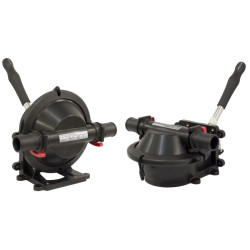
Manual bilge pumps are an essential piece of safety equipment for any boat. Designed to remove unwanted water from the bilge (the lowest compartment inside a boat’s hull), these pumps provide a simple, mechanical solution to keep boats afloat in emergency situations. Even with modern electric bilge pumps widely available, manual pumps remain a critical backup system and are often required by maritime regulations.
What is a Manual Bilge Pump?
A manual bilge pump is a hand-operated device that removes water from a boat without the need for electricity. These pumps typically feature a handle or lever that the user moves to create suction, drawing water out through an intake hose and expelling it overboard through a discharge hose.
Manual pumps come in a variety of forms, including:
- Plunger-style pumps (vertical or horizontal hand operation)
- Diaphragm pumps (with a handle or foot pedal)
- Portable pumps (used in dinghies, kayaks, or small boats)
While they may require physical effort, their reliability and independence from power sources make them invaluable during power failures or pump malfunctions.
Why Are Manual Bilge Pumps Important?
1. Emergency Backup
In the event of a power failure, battery drain, or electrical pump malfunction, a manual bilge pump can be the only means of removing water from the bilge. This can prevent flooding and even save the vessel from sinking.
2. Simplicity and Reliability
Manual pumps are mechanically simple, with fewer parts to fail. They are easy to maintain, operate in all weather conditions, and can work even when submerged or wet.
3. Compliance with Safety Regulations
Many boating safety regulations and marine authorities require manual bilge pumps to be on board, especially for vessels without automatic systems or those operating in certain waters.
4. Versatile Use
Manual pumps can be used not just for bilge water, but also for draining livewells, removing rainwater, or dealing with small leaks. Some portable models are ideal for use in canoes, kayaks, or paddleboats.
Key Features to Consider
When choosing a manual bilge pump, consider the following:
- Capacity: Measured in gallons per minute (GPM), this determines how much water the pump can move. Higher GPM is better for larger boats.
- Mounting Options: Fixed pumps are installed in a specific location, while portable models can be moved around as needed.
- Hose Length and Diameter: Ensure hoses are long enough to reach the water source and the discharge point.
- Build Material: Look for corrosion-resistant materials like marine-grade plastic or stainless steel for long life and durability.
- Ease of Operation: Choose a pump that’s easy to use under stress or in rough conditions.
Maintenance Tips
- Regularly inspect hoses and seals for cracks or blockages.
- Test the pump frequently to ensure it works properly.
- Keep it clean and store portable units in an accessible location.
Conclusion
Manual bilge pumps are a simple yet vital component of any boat’s safety equipment. Their reliability in emergency situations makes them indispensable, even on vessels equipped with electric systems. Whether you’re a weekend sailor or a seasoned mariner, having a manual bilge pump on board is not just smart—it’s essential.