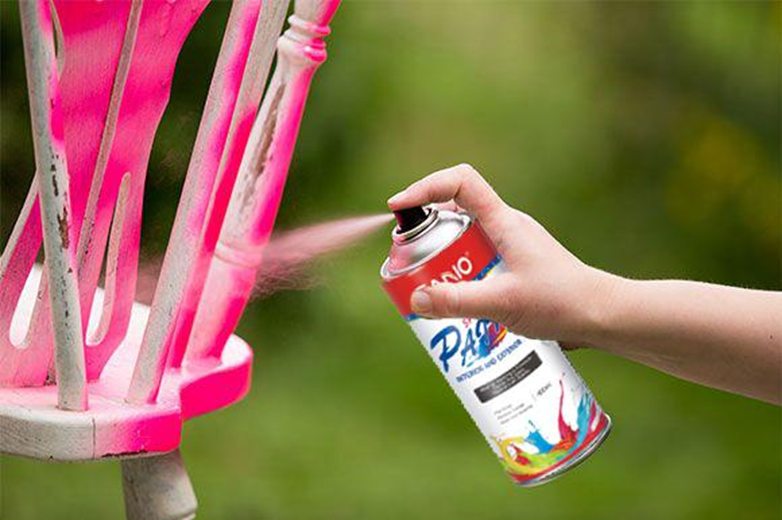
Achieving a high-quality finish when spray painting wood requires careful preparation. Before starting, clean the wood thoroughly to remove dust and grease. A common question is, can you spray paint wood without sanding? While sanding improves adhesion, SANVO’s innovative formula ensures smooth application even on surfaces with minimal prep work. To avoid streaks and drips, spray in light, even coats, keeping the can 6-8 inches from the surface. Each layer should be allowed to dry before adding another, ensuring a durable and professional-looking result.
Selecting the Right Paint for Wood Surfaces
Not all spray paints work well on wood, so choosing the right one is essential for achieving a smooth and durable finish. SANVO provides high-quality options that bond effectively to various wood surfaces, ensuring a strong and long-lasting result. Using a primer can further enhance coverage, especially for porous, rough, or previously painted wood, helping the paint adhere more securely. The right combination of paint and primer not only improves adhesion but also prevents chipping, peeling, and fading over time, keeping the surface looking fresh and well-maintained for longer.
Conclusion
Spray painting wood is a simple and effective way to enhance its appearance, providing a smooth, even coating with minimal effort. Although sanding is beneficial for better adhesion, SANVO’s specialized paint is designed to deliver excellent results even with minimal surface preparation. This makes it ideal for both beginners and professionals looking for a quick yet durable solution. By applying thin, even layers and allowing each coat to dry properly before adding the next, anyone can achieve a flawless, professional-grade finish that resists chipping, peeling, and fading over time.